General · 7 min read
The Role of Technology in Modern Financial Reporting
Clienter Team
Did you know that accounting is part of a legacy stretching back over 7,000 years? It’s not just about balance sheets and statements; it’s a language that has evolved alongside civilizations. While this evolution has accelerated in the past couple of centuries, the pace is now unprecedented. The rapid changes show no signs of slowing down, making it crucial to embrace the driving force behind this transformation: technology!
Before we delve into the hows, we need to introspect deeply into the whys of this profession that we all love (or don’t!). While accounting is the best language to communicate an entity’s financial performance and health, it has now become a staple for every business for a purpose even higher than just recording transactions – financial reporting. And well, with accounting moving as fast as it is, isn’t it obvious for financial reporting to undergo stark changes too? (Take a look at the SEC’s annual reports from 1950 and 2023).
The practice of accounting has expanded significantly under the umbrella of financial reporting. It transforms raw data into rich, meaningful information that can be communicated to anyone, not just accountants. Modern financial reporting has evolved from long, boring texts to organized, user-friendly reports that are easy to analyze and visually appealing. For example, L’Oréal's Annual Report 2023 recently won the Gold Award for the best Annual Report.
Additionally, the development of the Integrated Reporting Framework marks a monumental leap in how companies communicate with the public. Financial reports used to be the main focus, but now they're just one part of a much bigger story.
Amidst all this, we're witnessing a "tech-tonic" shift—technology is revolutionizing almost everything around us. It's changing the game, altering our methods, and providing assistance in ways we couldn't have imagined before.
The Rise of the Learning of the Machines
It's 2024, and when we talk about technology, we can't ignore the elephant in the room - artificial intelligence (AI). We no longer dread the thought of tedious manual tasks thanks to the rise of machine learning algorithms and numerous AI tools. It has created a win-win situation where we reclaim our sanity and valuable time for more meaningful work, and companies enjoy lower costs and increased efficiency. This means financial reports are now generated automatically, giving finance teams enhanced analysis and reporting capabilities. Your financial data is no longer limited to boring numbers; it transforms into predictions, analyses, and reports that are presented in captivating visuals, making complex information easy to understand. It’s not magic—many companies are already exploring these capabilities.
In 2019, Amazon Go successfully leveraged machine learning to generate seamless accounting and financial statements using AI. For those unfamiliar, Amazon Go is a retail shop where customers can grab what they want and leave without checkout lines or cashiers, thanks to sensors, computer vision, and machine learning tracking purchases in real time. This technology enables real-time financial data and insights.
You might wonder why this matters for you. As technology evolves, clients will expect quicker, more efficient financial services. Understanding systems like Amazon Go helps you stay ahead and offer cutting-edge solutions. Amazon Go demonstrates that the future of financial reporting is here and it's exciting.
Blockchain – A Disruptive Technology
Blockchain is a digital ledger which records transactions across several nodes (computers) that cannot be altered. It acts like a vault for financial transactions and prevents any inappropriate modification or deletion. (Here’s an article that explains blockchain in greater detail.) While it does not prepare financial reports directly (yet), it's a transformative tool that's set to make a real difference behind the scenes. This innovative technology promises to make all the bread and butter of finance like transactions, asset ownership, compliance, reconciliations, etc. more transparent, accurate and efficient. With the number of frauds and scams around even in the most secure of times, wouldn’t it be refreshing to have trustworthy technology?
Big4 firms have already started exploring blockchain solutions in their audits. Interbank reconciliations, which currently cost banks millions annually, can be streamlined over distributed, invite-only ledgers over blockchain that can handle the volume of transactions and make them easily verifiable. And this is just one instance of its massive potential across numerous other industries! (If you are interested in the potential use cases of blockchain, read this!)
Continuous and Integrated Accounting with Cloud
Cloud accounting frees you from the hassles of hardware, but its biggest strength is the unmatched convenience of accessing real-time data. It allows your entire firm to access everything, anytime, anywhere, even simultaneously if needed. With just an internet connection, these platforms integrate seamlessly with business applications like payroll and CRM, along with transactional data like expenses, to provide the latest information to all users.
This technology enables unified collaboration between people, teams, clients, and other stakeholders like never before. It turns your subscription into a superpower, allowing you to prepare, record, and analyze a holistic view of your firm’s financial results. Each report can be customized to meet the specific needs of experts and decision-makers instantly for everyone involved.
Additionally, cloud accounting results in significant savings of both cost and time. As of 2018, 58% of large companies were already using cloud accounting!
Data and Predictive Analytics
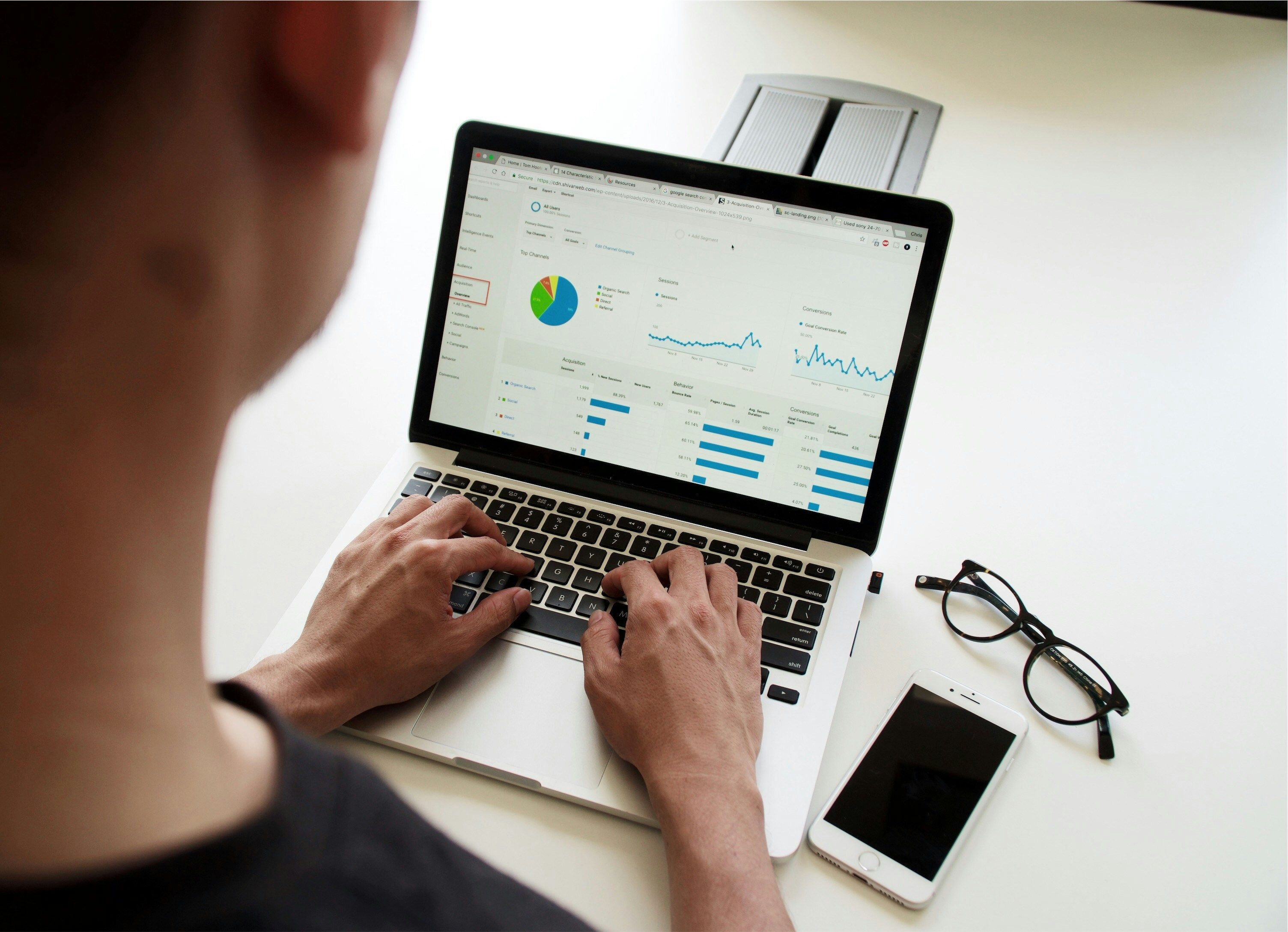
Isn’t financial reporting also about finding and reporting on patterns, forecasts and trends to gain insights into the business? As helpful as it is, the inability of a normal person to comprehend loads of data or even figure out a way to portray it on everyday tools sends them on a head-scratching journey. Data or predictive analytics tools act like a black hole for the chunks of raw data of your firm. They absorb a massive number of inputs within seconds and help you demonstrate a planet’s worth of information into actionable results. All the data is used to make predictive forecasts, cash flows, correlations, potential anomalies or deviations. It empowers you and your firm to make informed and clever decisions by analyzing a nuanced version of your bulky data. Why wait till the end of the month or year to make sense out of numbers?
Data analytics can even assist in detecting frauds or investment opportunities. It is also incredibly useful to set goals for the company by benchmarking the results with similar organizations in the industry. All of this ultimately enables the companies to post and report their performance with greater present as well as future clarity and helps them in proactively coming up with reasonable solutions to problems or actions to fulfil the company’s vision.
Accountants or accounting firms can leverage data analytics to aid the client with personalized recommendations to enhance their financial performance and success.
Future of Financial Reporting
Mankind has come a long way from the origins of accounting to today's financial reporting, with technology acting as a crucial catalyst for this evolution. It has become essential to stay competitive. Building on solid accounting principles, cutting-edge technologies are reimagining how we understand and communicate financial information. Technology is no longer a trend but a collaborative platform waiting for you to get on board.
Remarkable reforms in financial reporting have taken place over the past few decades, but we are in for an even faster ride of advancements, all to our benefit. The opportunities to turn numbers into narratives, accountants into strategic advisors, and technology into an indispensable partner create exciting possibilities that can transform the landscape of financial reporting. By harnessing these tools, we can demystify the world of finance, making it more transparent, reliable, and accessible to all.